The food world is cooking up some big changes for 2025, and we’re here for it. From bold new flavours to a softer focus on sustainability, this year’s trends have something for everyone.
We’ve sifted through insights, consumer reports, and a sprinkle of our own observations to serve up the top ten trends transforming what’s on plates and in baskets next year.
Our Top 10 Food & Beverage Trends for 2025:

Taste Turned Up
If you thought your taste buds had experienced it all, think again. This year, the spotlight is on bold and unexpected flavours from lesser-known global cuisines. With over 50% of UK consumers actively seeking adventurous food experiences (Mintel), it’s no surprise we’re seeing ingredients like yuzu, gochujang, and smoked tamarind making waves. But this isn’t just about spicing things up - it’s about creating lasting impressions that make people say, “What was that, and where can I get more?”


Purposeful Pleasures
Indulgence is evolving, and it's all about guilt-free decadence. Whether it’s a premium truffle-infused treat or a silky vegan gelato that tastes as good as it feels, consumers are looking for indulgence that aligns with their values. A recent report by Innova Market Insights revealed that 63% of UK consumers are willing to pay extra for products that offer indulgence with a side of health or sustainability. This trend is redefining the meaning of luxury, and honestly? We’re not mad about it.

Roots & Rituals
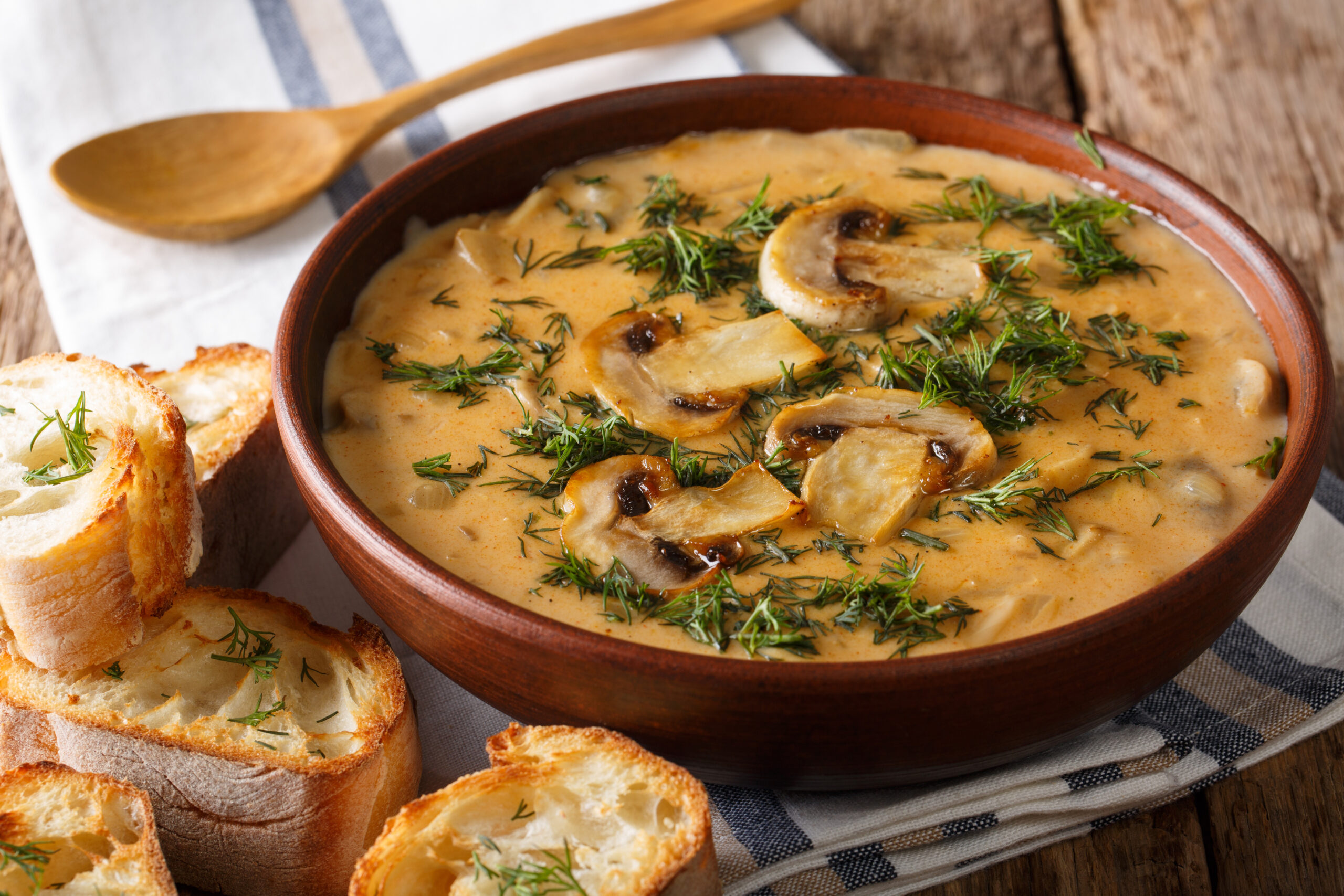
Tradition is taking a front seat - but with a twist. Nostalgic foods are being reimagined to combine familiarity with flair as consumers find comfort in traditional dishes but are excited by creative reinventions. This trend isn’t just about food; it’s about storytelling. Each bite connects us to our heritage while paving the way for something new.

Unrule the Plate
Break the rules, rewrite the recipes, and rethink what food can be. This trend is all about creativity and chaos in the best way possible. From dessert pizzas to plant-based ribs, people are embracing the unconventional. According to FMCG Gurus, 59% of global consumers say they are willing to try food and drink they haven't tried before, whether that’s trying bizarre combinations or rethinking traditional meal structures. Marketing and product development are following suit, with bold claims and rebellious campaigns paving the way.

Mood Makers
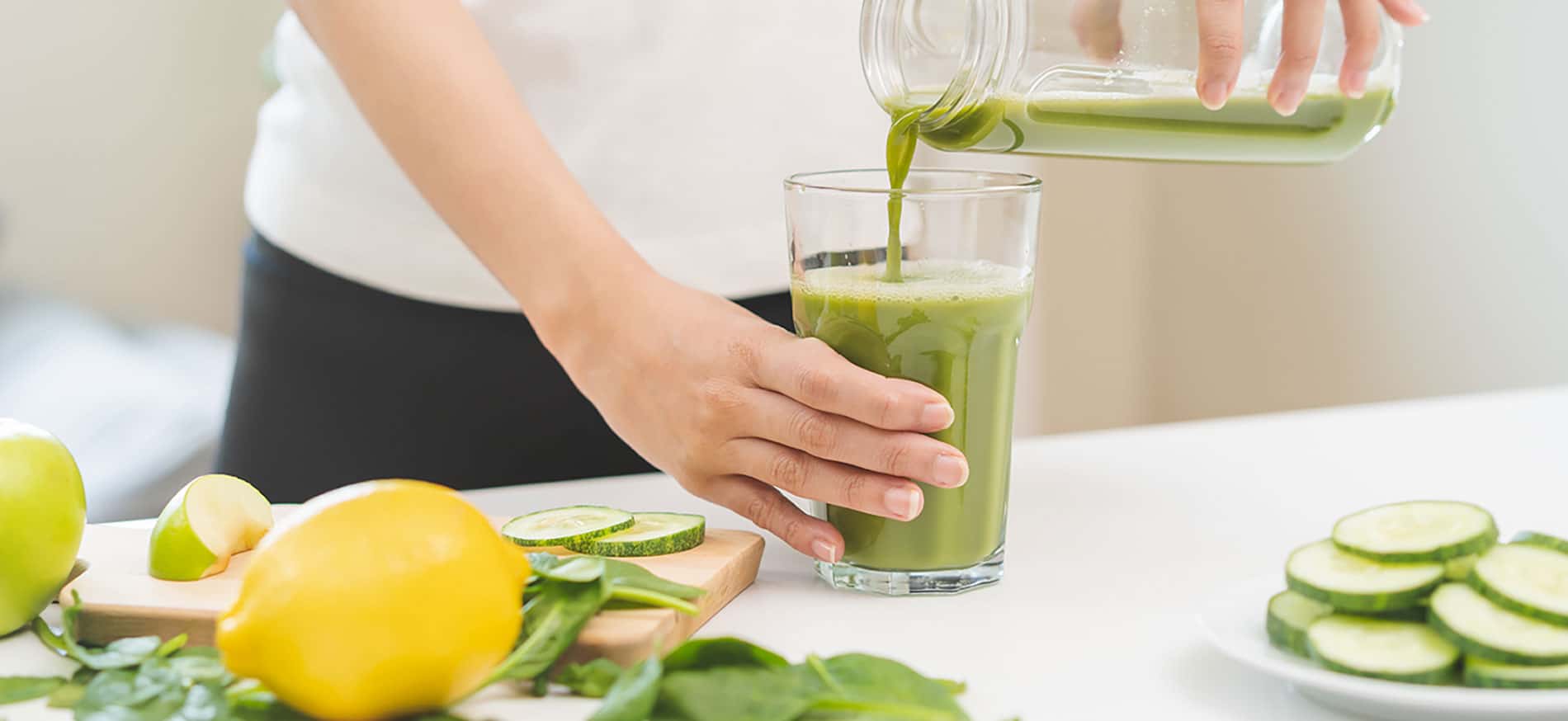
The rise of functional food continues as consumers look to their plates to improve what’s in their heads. Cognitive & mental wellness claims are big in the beverage space, with drinks promising to calm, energise, or uplift dominating the shelves. In 2024, the global functional beverages market grew by 6%, and it’s only gaining momentum (Innova Market Insights). It’s not just drinks, either - mood-enhancing snacks like adaptogen-packed granola bars or CBD-infused chocolates are coming for the crown.

Feel Appeal
Texture is the new flavour. In 2025, it’s all about how food feels as much as how it tastes. Chewy, stretchy, crunchy, and creamy are just the beginning of what’s being called "textures 2.0." A whopping 54% of global consumers prioritise texture when choosing their food products (FMCG Gurus). Picture stretchy cheese alternatives for pizzas or ultra-crispy coatings on plant-based nuggets. It's food that’s as satisfying to eat as it is to talk about.

Healing Plates
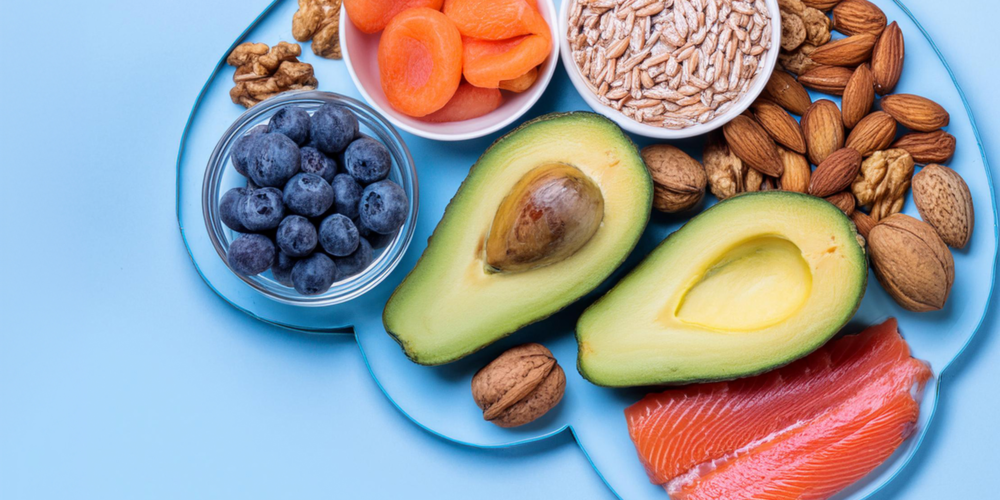
Food as medicine isn’t just a wellness buzzword anymore - it’s becoming mainstream. Immune-boosting soups, gut-friendly yoghurts, and antioxidant-packed teas are showing up in kitchens everywhere. As research continues to connect diet to health outcomes, consumers are leaning into foods that promise tangible benefits. According to Mintel, 57% of UK shoppers say they want to see more functional health claims on packaging. This trend merges ancient wisdom with modern science, proving that the kitchen really can be the heart of healthcare.

Plant-Based to Plant Forward
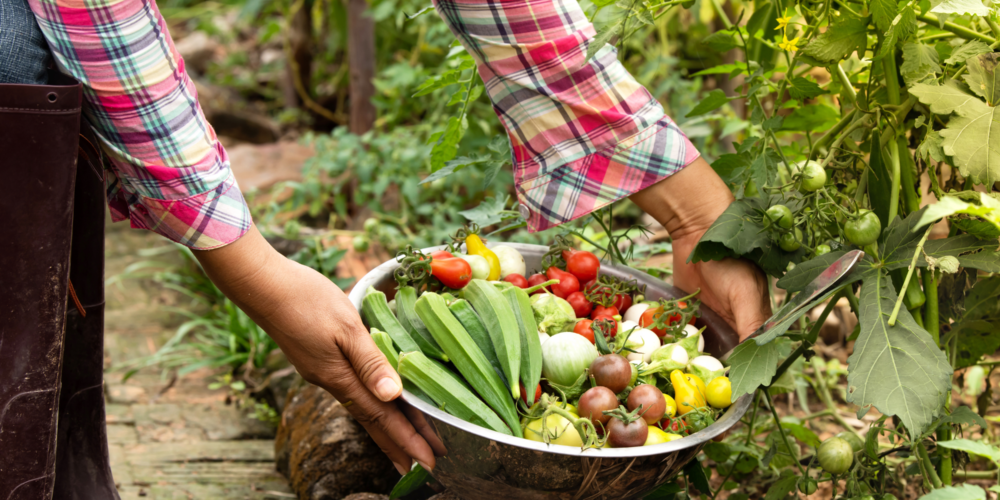
Plant-based eating has matured, and it’s moving beyond imitation meats to fully celebrating plants. Instead of just replicating animal products, brands are focusing on vegetable-forward dishes that embrace the natural flavours and textures of plants. According to FMCG Gurus, plant-forward eating aligns with the growing rejection of ultra-processed foods (UPFs), as 72% of UK consumers say they’re trying to eat "as natural as possible." Expect more creative vegetable cuts, bold seasoning blends, and menu options that highlight the humble carrot, cauliflower, or courgette.

Ingredient Integrity
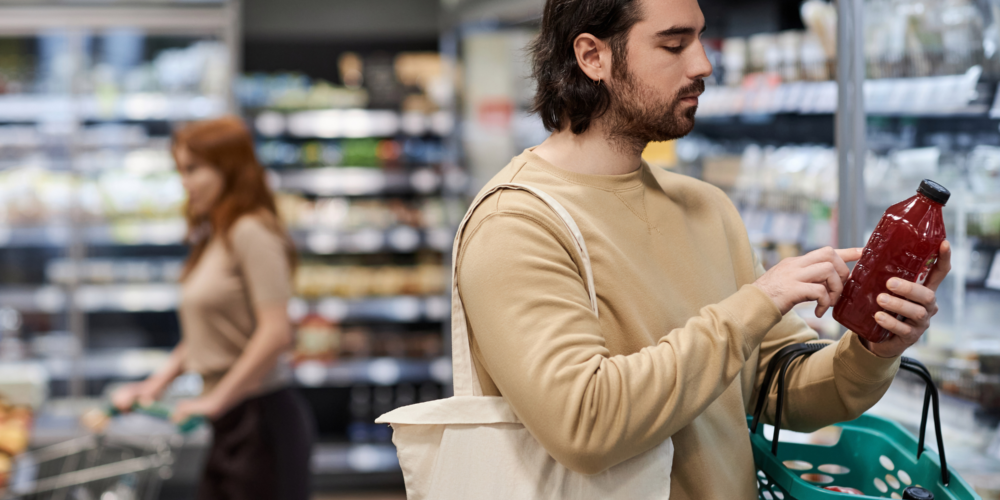
Transparency is non-negotiable. Today’s consumers want to know not only what’s in their food but how it’s sourced, produced, and packaged. Sustainability is key, with 59% of global consumers saying they have changed their diets to more environmentally-friendly options (FMCG Gurus). But it’s not just about doing good - it’s about feeling good, too. Knowing your chocolate bar supports ethical farming or that your coffee beans are carbon neutral makes indulgence even sweeter.

‘Barely’ Processed
UPF & clean-label is evolving into a more nuanced conversation. Instead of insisting on completely unprocessed foods, consumers are becoming more flexible - so long as the processing is minimal and transparent. A study from FMCG Gurus highlights that 58% of consumers have been more attentive to the ingredient listings. These consumers are selective about which ingredients they avoid and why. This shift acknowledges that not all processing is bad, but it’s about balance and understanding.
The Final Course:
2025 is shaping up to be a deliciously dynamic year for food and drink. From bold flavours to mindful indulgence, and from playful textures to purposeful ingredients, there’s a lot to get excited about. Whether you’re a food creator, a trend-watcher, or just someone who loves a good munch, one thing’s for sure – the future of food has never looked (or tasted) better.