
At Healy Group, sustainability isn’t just a buzzword—it’s a responsibility we take seriously. We’re proud to announce that we have been certified as carbon neutrality across Scope 1, 2, and 3 greenhouse gas emissions for a 4th year running, another major milestone in our ongoing efforts to support a more sustainable global food supply chain system.
This certification reflects not only our strong commitment to climate action but also demonstrates the tangible steps we’ve taken to reduce emissions across every part of our operation—from our warehouses and vehicle fleets to our key supplier partnerships and the delivery supply chains.
Carbon Emissions and Their Impact on Global Food Production
Carbon emissions, especially carbon dioxide (CO₂) from burning fossil fuels, contribute to climate change. This directly and indirectly affects global food production systems, with the resulting climate change posing an increasingly serious threat to global food security.
Key Impacts on Food Production:
Changing Weather Patterns
- Increased temperatures and unpredictable rainfall harm crop growth
- Droughts, floods, and storms reduce yields and damage farmland
Soil Degradation
- Climate change can lead to soil erosion, nutrient loss, and desertification
- These factors reduce the productivity of farmland
Water Scarcity
- Higher temperatures increase water demand for crops
- Reduced water availability affects irrigation, especially in already dry regions
Crop Yields and Quality
- Staple crops like wheat, rice, and maize are sensitive to heat stress
- Elevated CO₂ can boost growth in some crops but reduce their nutritional value
Pests and Diseases
- Warmer climates expand the range of pests and plant diseases, threatening harvests
Livestock and Fisheries
- Heat stress affects animal health and productivity
- Ocean warming and acidification harm fish stocks and marine ecosystems
Without major reductions in emissions and adaptation strategies, food production will become less reliable, especially in vulnerable regions.
What Are Scope 1, 2 & 3 Emissions?
To better understand the significance of this achievement, here’s a quick summary of the types of emissions.
- Scope 1 – Direct Emissions
These are emissions from sources we own or control—like our company vehicles and onsite fuel combustion - Scope 2 – Indirect Emissions from Purchased Energy
These come from the electricity and energy we purchase to power our facilities - Scope 3 – Indirect Emissions from Our Value Chain
These are all other emissions associated with our business—such as emissions from suppliers, product transport, and even employee commuting
Real Reductions = Real Results
Our carbon neutrality isn’t just about offsetting emissions—it’s about eliminating them at the source wherever possible. Here are some highlights from our sustainability initiatives…
Delivering Sustainability
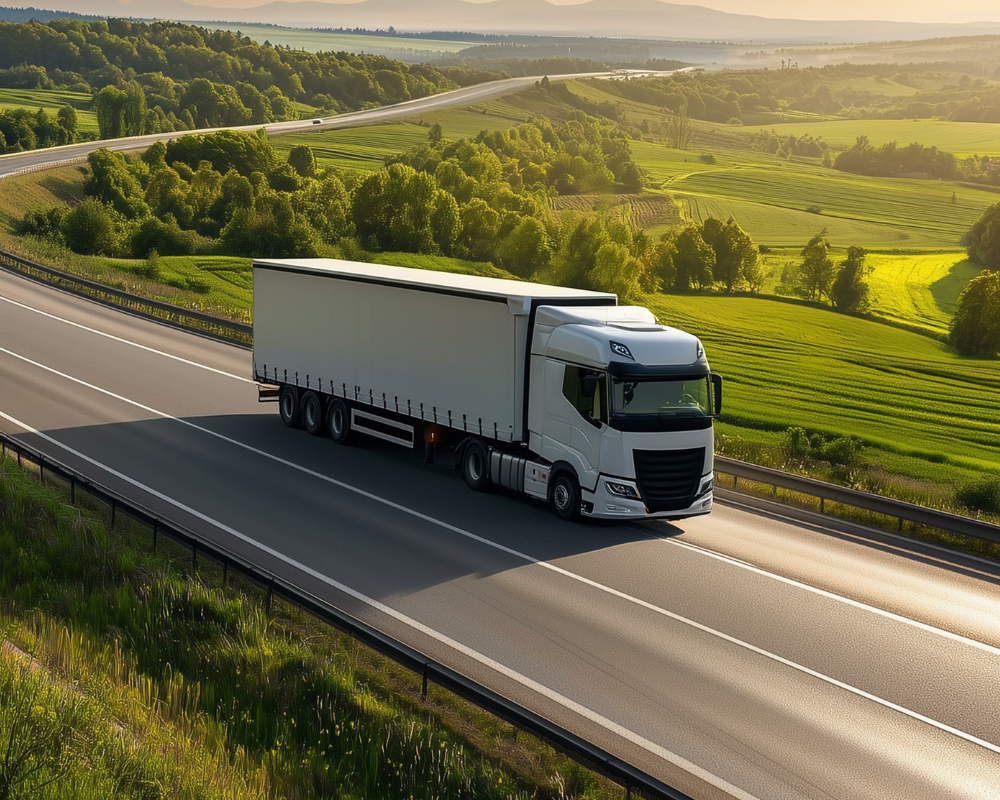
The vast majority of emissions generated by our activities come from the vehicles that deliver our food ingredients from production sites across the world right to the doors of our customers. We were strongly motivated to manage these emissions ourselves, resulting in almost 2,500mt of CO2 equivalent covered by our offsetting efforts.

Electrifying Our Fleet
We’ve transitioned 100% of our company car fleet to electric and hybrid vehicles, significantly cutting down direct emissions (Scope 1). The installation of car chargers at our UK & Irish sites allows visitors and staff to reduce their emissions at home.
Solar-Powered Progress
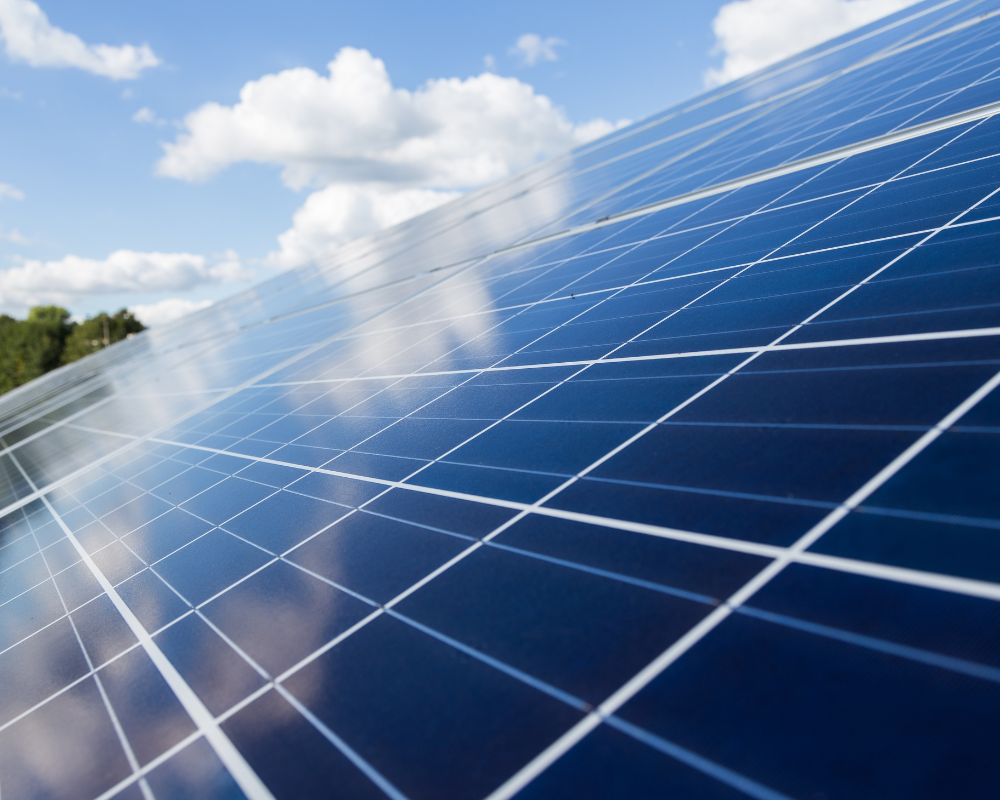
Our distribution sites in the UK and Ireland both have solar panel arrays on their rooftops, generating 62,000 kWh of energy, almost 25% of our total energy use, and saving 13mt of CO2 equivalent.

A Greener Future
100% of our electricity is now drawn from sustainable sources, removing our reliance on fossil fuel energy production to keep the lights on.

Waste Not, Want Not
Expired ingredients undergo energy recovery processes, as we work with food incineration plants to generate heat and electricity rather than contribute to landfill waste.
It’s The Little Things
Even minor adjustments we have made will add up. Converting lighting systems to low-energy LEDs, recycling of printer cartridges and old computer equipment, installation of low-flush toilets and energy-efficient hand-dryers, staff working from home to reduce commuting emissions, even turning off monitors at night; all of these changes to behaviour make a difference.
Certified. Verified. Committed.
Since 2022, our carbon neutrality status has been verified by Carbon Neutral Britain (link).
The international standards for Greenhouse Gas (GHG) emissions reporting are rooted in the ISO 14064 framework (link), as well as the Greenhouse Gas Protocol – Corporate Accounting and Reporting Standard (link). By working with a reputable organisation such as Carbon Neutral Britain, we have been able to faithfully comply with the requirements of these standards to deliver meaningful efforts in carbon emissions management.
It is essential that the offsetting process has meaningful impacts, rather than just being a performative exercise in green-washing. One of the key factors in choosing Carbon Neutral Britain was their commitment to only working with internationally-certified carbon offsetting projects. Certified via the Verra – Verified Carbon Standard (VCS), the Gold Standard – Voluntary Emissions Reduction (VER) or the United Nations – Certified Emission Reductions (CER) projects, we can be certain that measurements and reporting is accurate and has been fully verified.
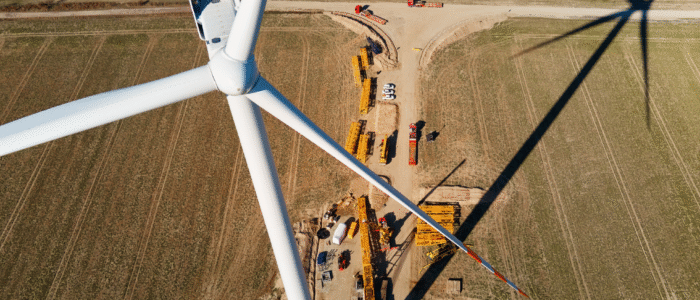
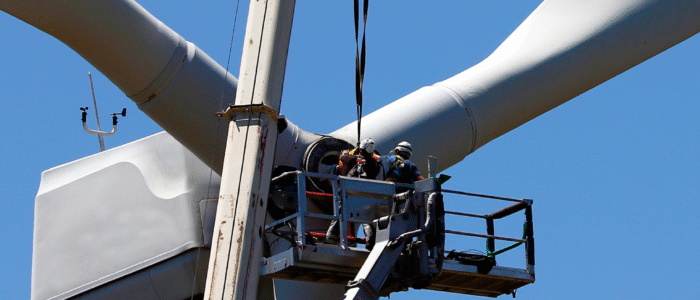
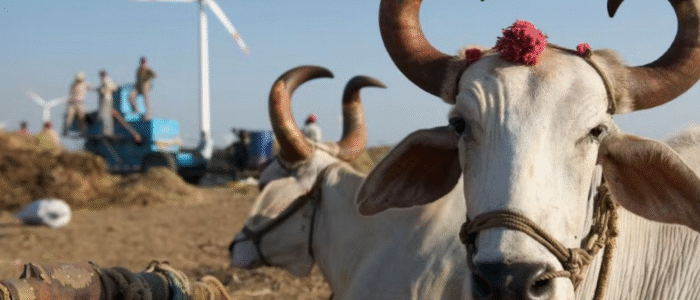
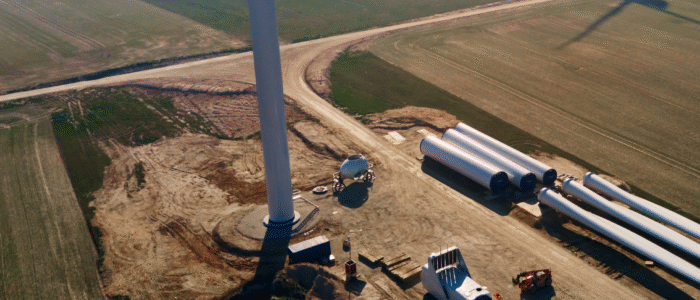
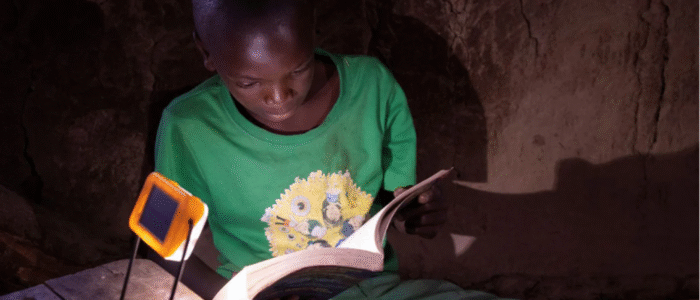
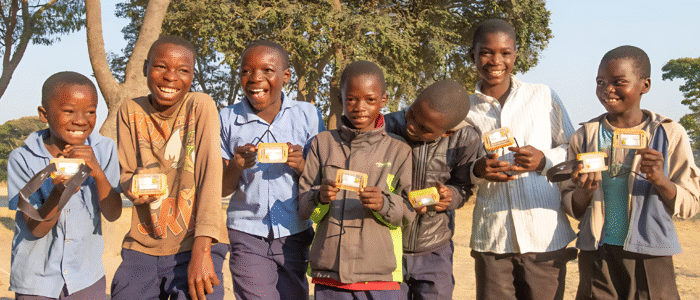
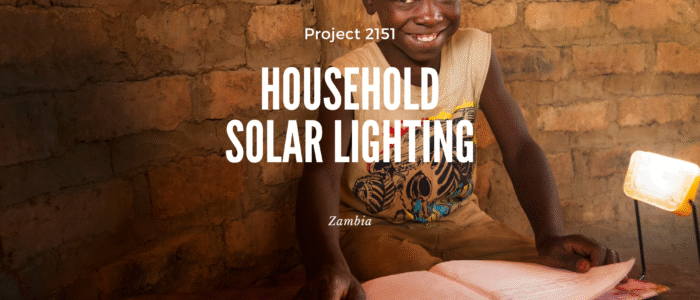
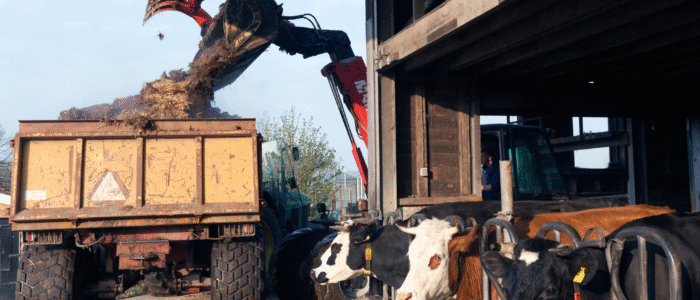
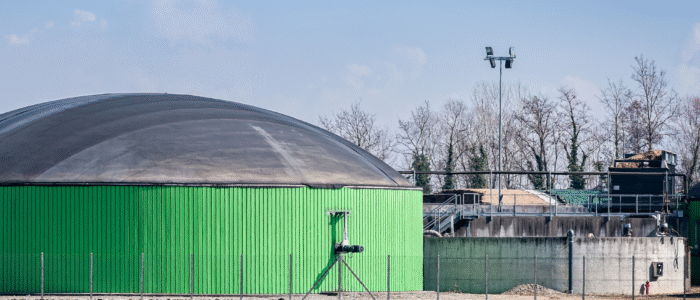
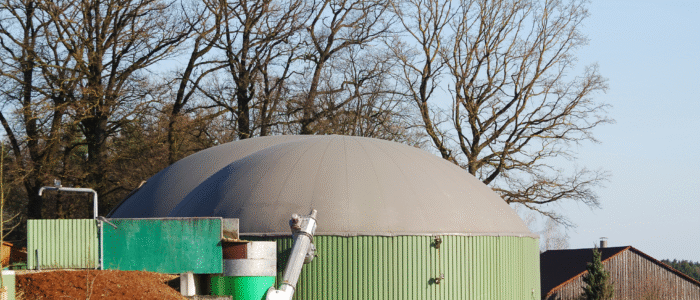
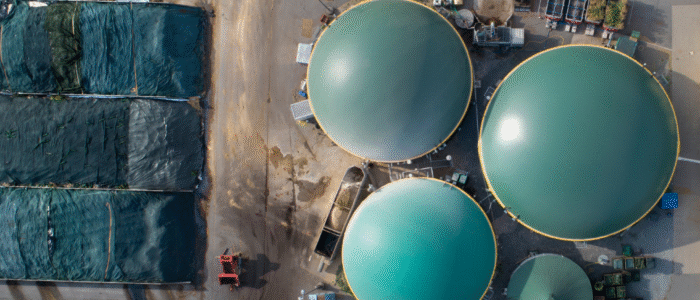
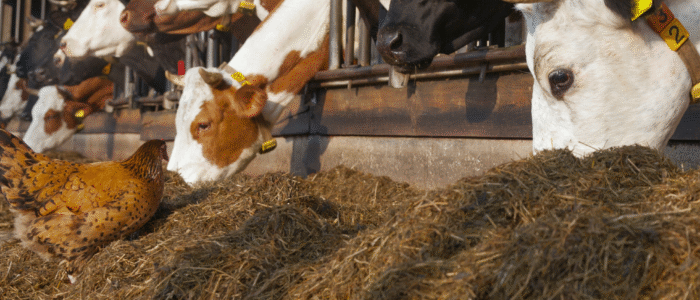
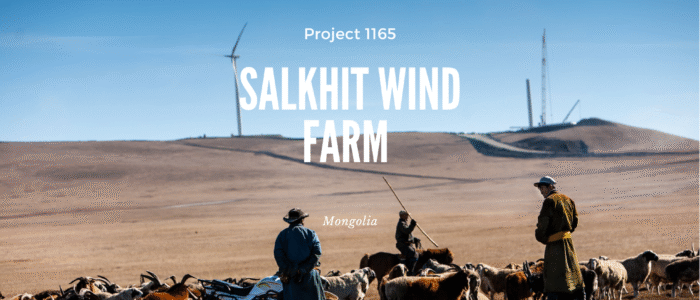
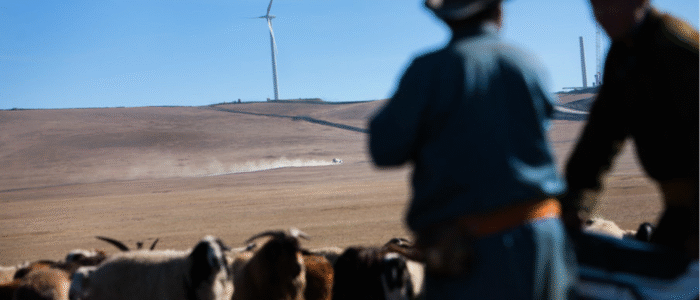
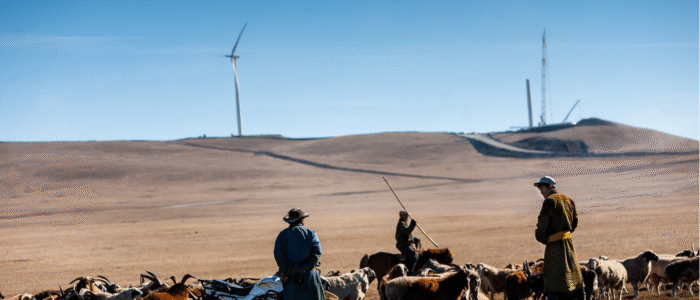
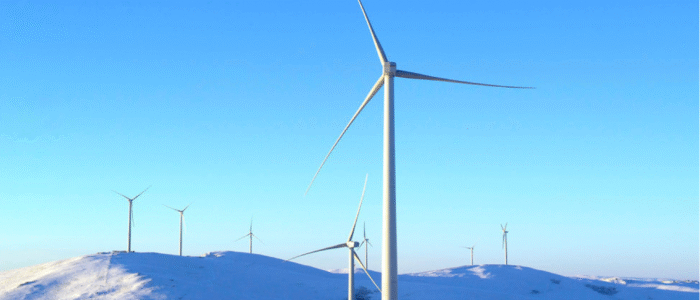
Furthermore, visibility on the projects that we are contributing to is important to understand the impact that carbon offsetting has across the world. Some of the projects include:
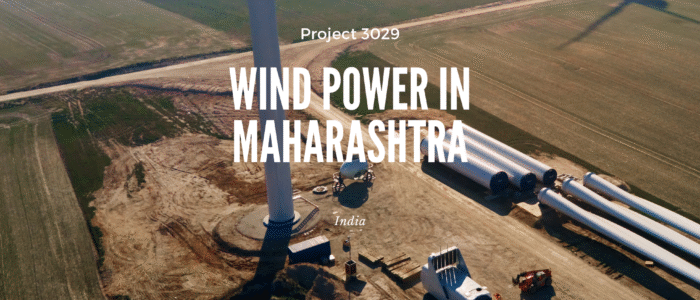



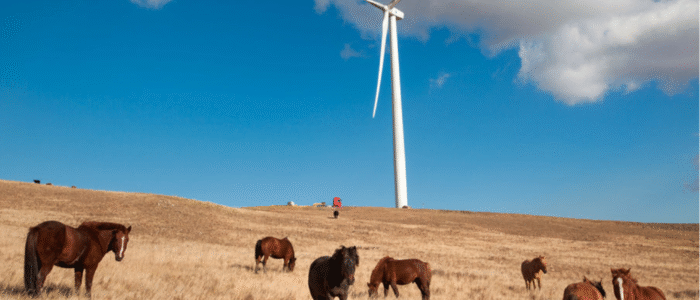
For more information on other environmental initiatives, please visit their website at https://carbonneutralbritain.org/pages/our-projects/.
What’s Next?
While we celebrate this achievement, we know the journey doesn’t end here. We encourage our suppliers and our customers to adopt carbon reduction and carbon neutral approaches to their operations, and will support them wherever we can.
Future plans include replacing our UK delivery vehicle with a hybrid or electric lorry, as well as engaging in more local environmental projects here in the UK & Ireland, such as tree-planting schemes and seaweed farming projects. More news on these initiatives in the future!
We’re proud to play our part in a greener, more resilient food future. Thank you for being on this journey with us.
Together, we’re building a better tomorrow—one ingredient at a time.